
Home food preservation has seen a quiet resurgence over the past several years, as more people look for ways to reduce food waste, control what goes into their pantry, and make the most of seasonal produce. Whether it’s a garden overflowing with tomatoes in late summer or a bulk purchase of green beans from a local farmer’s market, having a reliable way to preserve food safely at home has become a valuable skill again. Among the tools available for this purpose, pressure canners occupy a unique category, since they are the only home canning method recommended for low-acid foods like vegetables, meats, and soups.
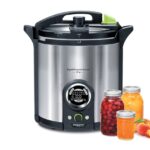
The Presto 02152 17-Quart Digital Pressure Canner is one option within this category that combines traditional pressure canning functionality with digital controls. This article takes a closer look at what this appliance offers, how it might fit into different kitchens, and what to keep in mind before deciding whether it suits your own food preservation goals.
What Is a Digital Pressure Canner, and Why Does It Matter?
Before diving into specifics, it helps to understand the difference between a pressure canner and other kitchen appliances that sometimes get confused with it, such as pressure cookers or multi-cookers with a “canning” setting.
A dedicated pressure canner is built to reach and maintain the specific pressure levels required to safely process low-acid foods, which need to reach temperatures above the boiling point of water to eliminate the risk of botulism-causing bacteria. Standard boiling water baths, by contrast, are only suitable for high-acid foods like most fruits, pickles, and jams. This is an important distinction for anyone new to canning, since using the wrong method for the wrong food category can create genuine safety risks.
The Presto 02152 is designed specifically for this purpose, with digital controls intended to help monitor and regulate pressure throughout the canning process.
Key Features of the Presto 02152
Digital Display and Controls
Unlike traditional stovetop pressure canners that rely on manual gauges or weighted controls, this model includes a digital interface that displays pressure levels and processing information. For people who are newer to canning or who prefer a more guided experience, this kind of visual feedback can make the process feel more approachable, since you’re not left guessing about what’s happening inside the pot based on sound or steam alone.
17-Quart Capacity
The 17-quart size places this canner in a mid-to-large category, suitable for processing multiple jars in a single batch. This capacity can be particularly useful during peak harvest season, when there’s often a lot of produce to process in a relatively short window of time.
Water Bath Capability
In addition to pressure canning, this unit is also capable of functioning as a water bath canner. This dual functionality means a single appliance can potentially handle both high-acid and low-acid canning needs, which may reduce the need for separate equipment depending on what you’re preserving.
10 Built-In Safety Features
Pressure canning inherently involves working with heat and contained pressure, so safety mechanisms are a meaningful part of any canner’s design. This model includes multiple built-in safety features intended to help regulate pressure, prevent the lid from being opened while the unit is pressurized, and provide alerts if something isn’t operating within expected parameters. While specific engineering details are best reviewed directly through the manufacturer’s documentation, the presence of multiple safety layers is generally a positive sign for anyone concerned about the learning curve associated with pressure canning.
Stainless Steel Construction
The exterior is made from stainless steel, a material commonly chosen for kitchen appliances due to its durability and resistance to staining or corrosion over time. Stainless steel also tends to be easier to wipe down after use, which matters given that canning sessions can sometimes get a little messy.
Included Recipe Book
A recipe book is included with the unit, offering a starting point for various canning projects. For beginners especially, having tested recipes and guidance on processing times can remove some of the guesswork that often accompanies a new kitchen skill.
How It Can Be Used
The versatility of a pressure canner extends beyond just vegetables. Here are some general categories of food this type of appliance is commonly used for:
- Low-acid vegetables, such as green beans, corn, carrots, and potatoes, which require pressure canning to reach safe processing temperatures.
- Meats and poultry, including stocks, broths, and pre-cooked meats, which many home canners find convenient to have shelf-stable for future meals.
- Soups and stews, allowing batch cooking to be preserved for later use without relying solely on freezer space.
- Dried beans and legumes, which can be canned after soaking for a convenient pantry staple.
- High-acid foods via water bath mode, such as jams, jellies, pickles, and certain fruits, using the same appliance without needing pressure functionality.
This range of uses means the appliance isn’t limited to a single type of preservation project, which may appeal to people looking to consolidate their kitchen equipment.
Who This Canner May Be Suitable For
Not every kitchen or every cook needs a pressure canner, so it’s worth thinking about whether this category of appliance aligns with your habits and goals.
Home gardeners who regularly harvest more produce than they can use fresh may find pressure canning a practical way to extend the shelf life of their harvest without relying entirely on freezer space.
Bulk shoppers who buy in large quantities from wholesale stores or farmers markets might use a pressure canner to preserve food before it spoils, potentially reducing food waste and grocery costs over time.
Beginner canners who are hesitant about traditional stovetop pressure canners may appreciate the more guided, digital approach this model offers, since it can simplify some of the monitoring involved.
Households focused on food security or self-sufficiency often view canning as a way to build a stocked pantry that doesn’t rely entirely on refrigeration or grocery store access.
On the other hand, people who preserve food only occasionally, or who primarily work with high-acid foods that don’t require pressure processing, might find that a simpler water bath canner meets their needs without the added investment in pressure canning equipment.
Important Things to Consider
While digital pressure canners offer convenience, there are a few practical points worth thinking through before purchasing one.
Learning curve. Even with digital guidance, pressure canning requires following tested recipes and processing guidelines closely. Deviating from recommended times, pressures, or jar preparation methods can compromise food safety, so it’s worth spending time with the included recipe book and reputable canning resources, such as those published by university extension programs.
Kitchen space and storage. At 17 quarts, this is not a small appliance. Some kitchens may need to think about counter space during use and storage space when it’s not in use.
Altitude adjustments. Canning instructions often vary based on elevation, since pressure requirements shift at higher altitudes. It’s worth confirming that any recipes you follow account for your specific location.
Maintenance and care. Like any canning equipment, proper cleaning, gasket maintenance, and occasional part replacement can extend the lifespan of the appliance and help it continue functioning safely over time.
Electric vs. stovetop dependence. Because this is a digital, electric appliance, it requires a power source to function, which is a different consideration than traditional stovetop pressure canners that only need a heat source like a gas or electric burner.
Comparing General Categories of Canning Equipment
To put this appliance in context, it can help to compare general categories of canning tools rather than specific brands or products.
Traditional stovetop pressure canners rely on manual gauges or weighted regulators and require the user to actively monitor pressure throughout the process. These are often praised for their simplicity and lack of dependence on electricity, though they may require more hands-on attention and a bit more experience to use confidently.
Digital pressure canners, as a category, aim to simplify monitoring through electronic displays and automated regulation. This can reduce some of the guesswork for newer users, though it does introduce a dependence on electricity and digital components, which some traditionalists prefer to avoid.
Water bath canners are simpler devices designed only for high-acid foods. They tend to be more affordable and easier to use but are not suitable for vegetables, meats, or other low-acid foods without a pressure component.
Multi-function electric pressure cookers with canning settings exist on the market as well, though many canning safety authorities note that not all of these have been officially tested or approved for safe pressure canning, so it’s worth researching any given appliance’s certification status carefully.
Each category serves a different type of user, and the right choice often comes down to how frequently you plan to can, what types of food you’ll be preserving, and how much hands-on monitoring you’re comfortable with.
Frequently Asked Questions
Is a pressure canner necessary for all types of canning? No. Pressure canners are specifically required for low-acid foods like vegetables and meats. High-acid foods such as most fruits and pickles can typically be processed safely using a water bath method.
Can this canner be used for water bath canning as well as pressure canning? Yes, this model is designed to function in both capacities, which may reduce the need for separate equipment.
Do I need special training to use a pressure canner safely? While formal training isn’t required, it’s strongly recommended to review tested recipes and safety guidelines from reputable sources, such as the USDA’s canning guidelines or university extension programs, before starting.
How many jars can typically fit in a 17-quart canner? Capacity varies depending on jar size, but a canner of this size is generally able to accommodate multiple standard-sized jars in a single batch. Checking the manufacturer’s specifications can offer more precise guidance.
Does the digital display eliminate the need to monitor the canner during use? Even with digital monitoring features, it’s advisable to stay near the appliance during operation, both for safety and to ensure the canning process proceeds as expected.
Final Thoughts
The Presto 02152 17-Quart Digital Pressure Canner represents one approach to home food preservation that blends traditional pressure canning capability with more modern, guided controls. Its dual functionality for both pressure and water bath canning, along with its multiple built-in safety features, may make it a reasonably versatile option for those looking to consolidate their canning equipment into a single appliance.
As with any kitchen tool tied to food safety, it’s worth taking time to understand proper canning techniques, consult tested recipes, and follow manufacturer guidelines closely. Pressure canning can be a rewarding skill that opens up new possibilities for stocking a home pantry, but it does come with a responsibility to follow safe practices consistently.